

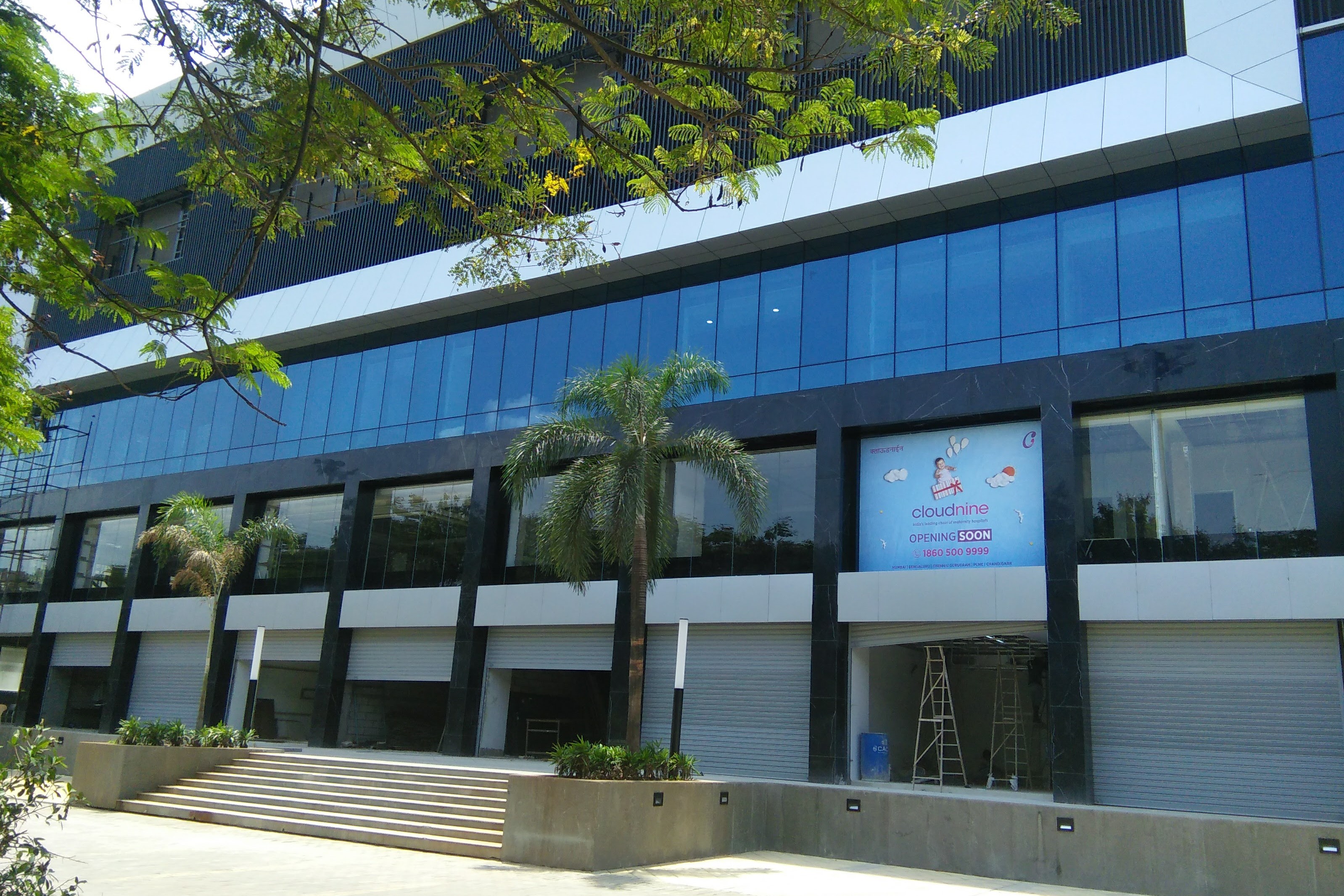
Structural glazing in Mumbai is no longer limited to airports and five-star hotels. Mid-rise offices and premium residential lobbies now use laminated glass fins, tension trusses and minimalist silicone joints - which means consultants expect tighter tolerances than a decade ago.
The performance brief usually begins with wind pressure, deflection limits and acoustic targets. Coastal wind maps and corner vortices on tall towers can push glass thickness beyond what a visual concept sketch assumed. Early coordination saves redesign cycles.
Spider glazing systems place point loads at fin connections; the supporting steel must be designed for eccentricity and local bending. We review shop drawings with the structural engineer before fabrication because field welding corrections at height are expensive.
Silicone structural glazing (SSG) relies on factory-controlled bonding. Site conditions in Mumbai - dust, humidity spikes during monsoon - require disciplined curing protocols. We schedule SSG work away from heavy civil dust where possible.
Unitised curtain wall can accelerate the programme when hoist time is scarce, but the upfront engineering is heavier. Stick-built systems spread labour across more days but can suit smaller towers with simpler logistics.
Water testing is the moment of truth. We plan chamber tests and hose tests with the consultant's witness list locked in advance so failures, if any, are closed with documented remedial details rather than arguments.
Glass procurement lead times fluctuate with global float capacity. For schedule-critical jobs we advise early placement of deposits on processed glass so cutting and heat soak do not sit on the critical path unexpectedly.
Mumbai's coastal environment favours low-iron glass where colour neutrality matters, and appropriate coating stacks for solar control. We help compare VLT and SHGC trade-offs against interior comfort targets.
Safety documentation for height work - method statements, harness plans and tag-out for swing stages - is part of our standard deployment. Clients should expect this as a parallel track to the aesthetic discussion.
Handover quality includes alignment of silicone joints, cleanliness of glass and torque records for bolts. We photograph milestone completions so O&M teams have a baseline for future inspections.
If you are comparing proposals, ask each bidder how they priced mock-ups, testing, hoist sharing and monsoon risk retention. Normalised comparisons reveal who has thought the job through beyond a lump sum per square metre.
Shebi Enterprises supports developers from concept assist through execution. When you are ready, send elevations and we will structure a transparent glazing scope with programme assumptions you can stress-test internally.