

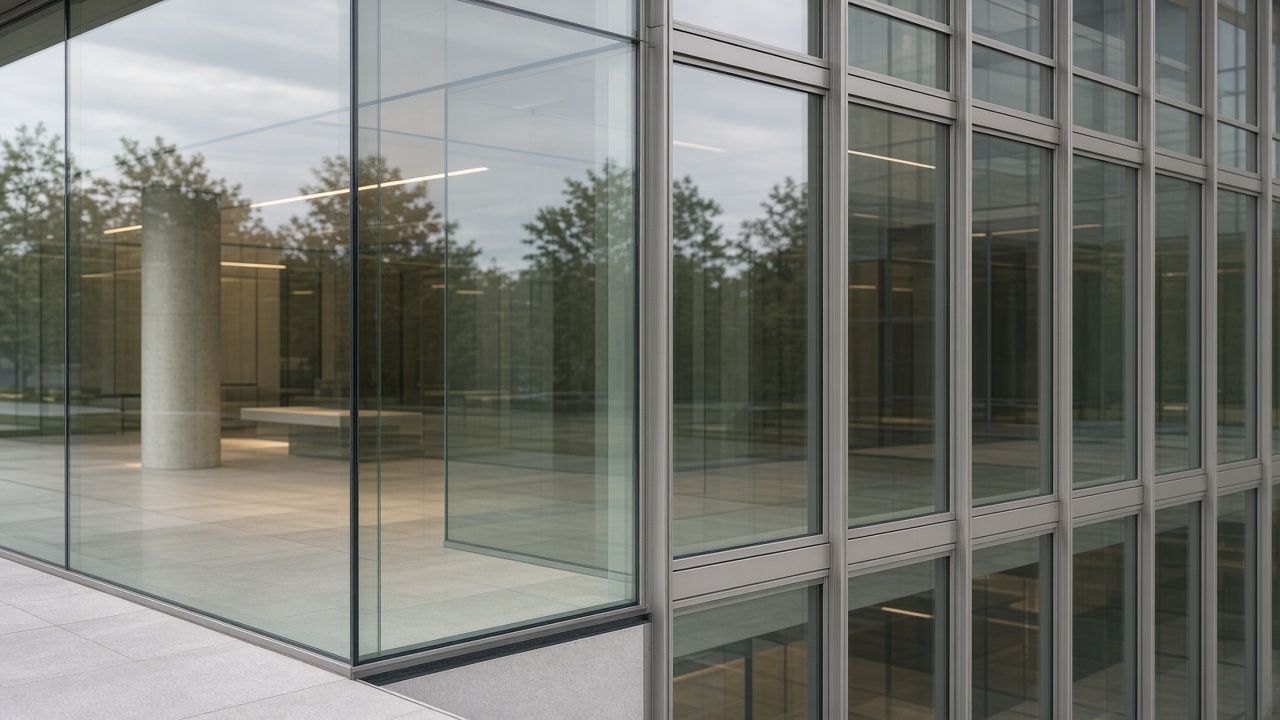
Architects often debate structural glazing vs semi-unitised systems for Mumbai towers. Both can perform well - the right choice depends on aesthetics, factory capacity, site access and maintenance strategy. Shebi Enterprises installs and coordinates both through our structural glass and glazing teams.
Structural glazing in brief
Glass is bonded with structural silicone to a carrier frame or fin system, reducing visible exterior mullions. Premium lobbies and feature walls use this for a seamless look. Quality hinges on compatible silicone, clean substrates, controlled curing and adhesion testing. See also structural glazing in Mumbai.
Semi-unitised / unitised in brief
Factory-assembled modules with aluminium frames arrive ready to hang. Weather seals and gaskets are more systemised. This suits repetitive commercial grids and reduces on-site silicone dependency for primary weather lines.
Decision factors
- Aesthetics: structural for minimal metal; unitised for crisp framed grids
- Programme: unitised favours parallel factory work; structural needs careful site sequencing
- Access: large modules need crane strategy; structural may use smaller glass packs
- Maintenance: plan replacement routes for both - bonded glass swaps differ from unit swaps
Hybrid tip
Many Mumbai offices use structural or spider glazing at the lobby and unitised curtain wall above. Define the interface early so waterproofing and fire stopping do not become change orders.
Need a system recommendation against your elevations? Talk to Shebi Enterprises with wind criteria and glass schedules.
FAQ
Structural silicone bonded systems minimise exterior metal sightlines, but edges still need careful detailing and compatible materials.
Semi-unitised / unitised grids often install faster on repetitive floors once factory modules arrive.
Yes. Lobbies may use structural or spider glass while typical floors use unitised curtain wall.